August 13, 2026
Water can spread through a home quickly, affecting flooring, drywall, insulation, furniture, electrical systems, and personal belongings. When a pipe bursts, an appliance leaks, or a storm allows water inside, the period before professional help arrives can feel overwhelming. However, the first 24 hours are important because early actions can help limit additional damage and make the restoration process more manageable. While homeowners should avoid unsafe areas or repairs beyond their experience, there are practical steps they can take while waiting for water damage repair. Prioritizing personal safety, stopping the source when possible, documenting damage, protecting belongings, and encouraging safe airflow can help reduce the impact while professionals prepare to assess and restore the property.
Protect People From Immediate Hazards
Safety should always come before protecting belongings or cleaning the affected area. Water can create electrical hazards, slippery floors, weakened ceilings, contaminated surfaces, and hidden structural problems. If water is near outlets, appliances, electrical panels, or exposed wiring, avoid entering the area until it has been evaluated. Do not attempt to unplug equipment while standing in water. If the flooding is extensive or the structure appears unstable, leaving the property may be the safest option until trained professionals determine whether it can be entered safely.
Homeowners should also consider where the water came from. Clean water from a supply line presents different risks than water from a sewer backup, overflowing toilet, or outdoor flooding. Contaminated water can contain bacteria, chemicals, and other harmful substances, making direct contact dangerous. Children and pets should be kept away from affected rooms. When calling for water damage repair, explain the suspected source so the restoration team can arrive with appropriate protective equipment and cleaning procedures.
Stop Water From Spreading Further
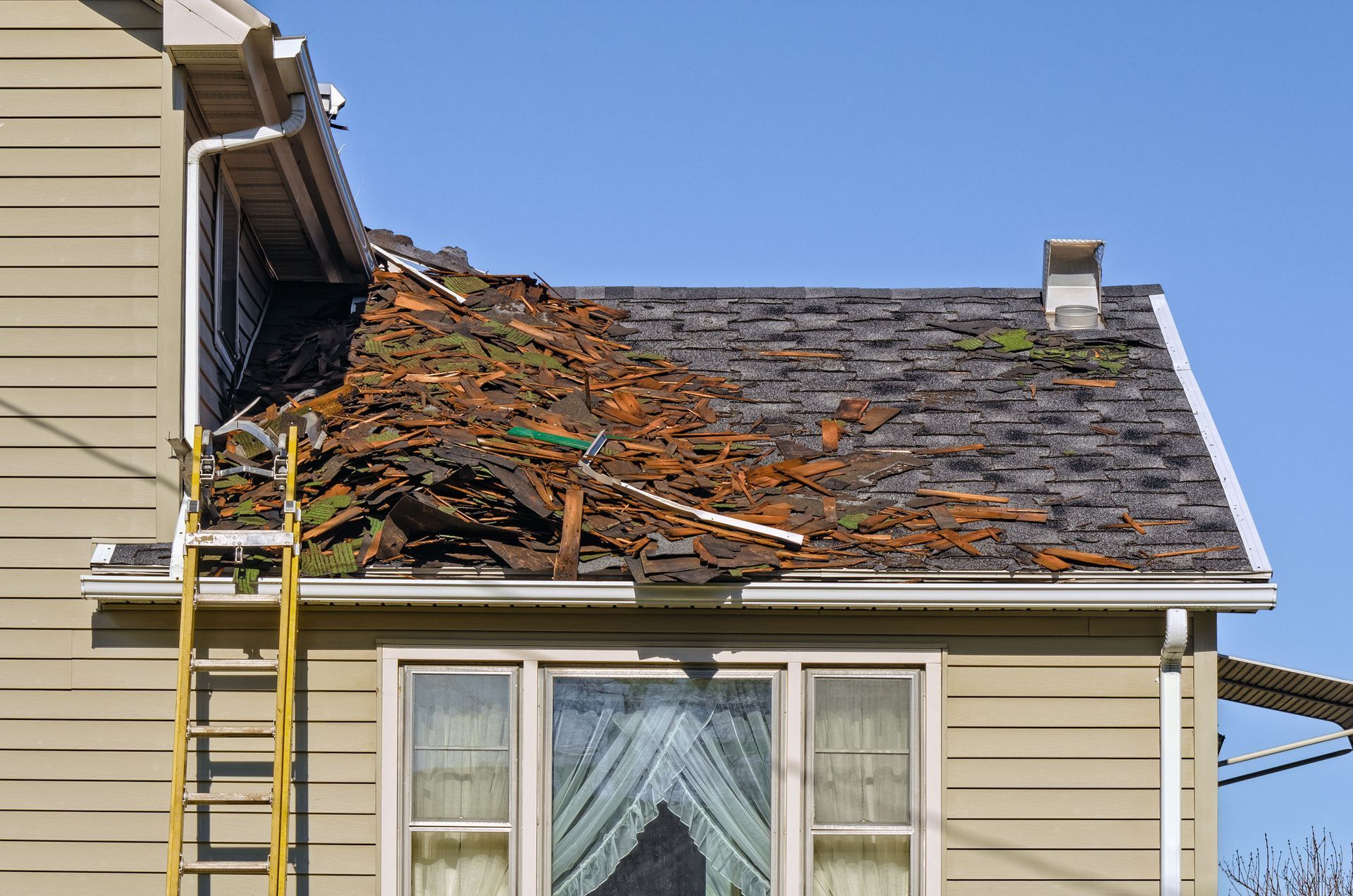
If the source of the water can be stopped safely, doing so may prevent substantial additional damage. A leaking sink or washing machine may have a nearby shutoff valve, while a burst supply line may require turning off the home's main water supply. Homeowners should know where the main shutoff is located before an emergency occurs. If the leak involves a damaged roof, exterior flooding, or plumbing hidden behind walls, avoid attempting risky repairs that could result in falls, electrical exposure, or further structural damage.
After the active flow has stopped, limit the movement of water where practical. Towels or absorbent materials may help contain small amounts of clean water, while furniture or belongings can sometimes be moved away from damp areas. Avoid using household vacuums to collect standing water because standard electrical equipment may create a shock hazard. Professional water damage repair crews use extraction equipment designed to remove large volumes of water safely and efficiently while evaluating how far moisture has traveled beneath visible surfaces.
Document Damage Before Moving Belongings
Before cleaning or moving items, take clear photographs and videos of the affected rooms whenever it is safe to do so. Capture wide views that show the overall extent of the incident as well as close-up images of damaged flooring, walls, furniture, appliances, and personal property. Documentation can help create a record of conditions immediately after the event. If water levels have left visible marks on walls or furniture, photograph those areas before drying or cleanup changes their appearance.
Keep notes about when the damage was discovered, the suspected source, and the steps taken to stop the water. Make a list of damaged belongings and avoid discarding items immediately unless they create a health or safety hazard. Insurance requirements vary, so homeowners may want to contact their provider for instructions about documentation and damaged property. Information gathered during these first hours can also help a water damage repair team understand how the incident developed and which areas may require closer inspection.
Protect Belongings From Additional Moisture
When conditions are safe, move unaffected belongings away from wet areas. Clothing, books, electronics, rugs, photographs, and other portable items can absorb moisture or become damaged if they remain near standing water. Furniture may also transfer stains or finishes onto wet flooring. Lightweight items can be relocated to a dry room, while heavier furniture should only be moved if doing so does not create an injury risk. Avoid stacking wet materials together because trapped moisture can slow drying and encourage additional deterioration.
Basements deserve particular attention because they are especially vulnerable to water intrusion. According to RubyHome, an estimated 98% of U.S. basements will experience water damage at some point. Stored belongings should therefore be kept in moisture-resistant containers and, when possible, elevated above the floor. If basement flooding occurs, remove undamaged items from the area only when electrical and structural conditions are safe. A water damage repair professional can later determine whether moisture has entered walls, insulation, flooring, or other concealed materials.
Encourage Airflow for Safe Moisture Control
Reducing indoor moisture can help slow secondary damage, but homeowners should be careful about how they approach drying. If the outdoor air is dry and conditions are safe, opening windows may improve ventilation. Fans and dehumidifiers can sometimes help with minor clean-water incidents, provided electrical hazards are not present. However, equipment should not be used in rooms containing contaminated water because airflow may distribute airborne contaminants throughout the property. Severe flooding generally requires professional drying equipment and moisture monitoring.
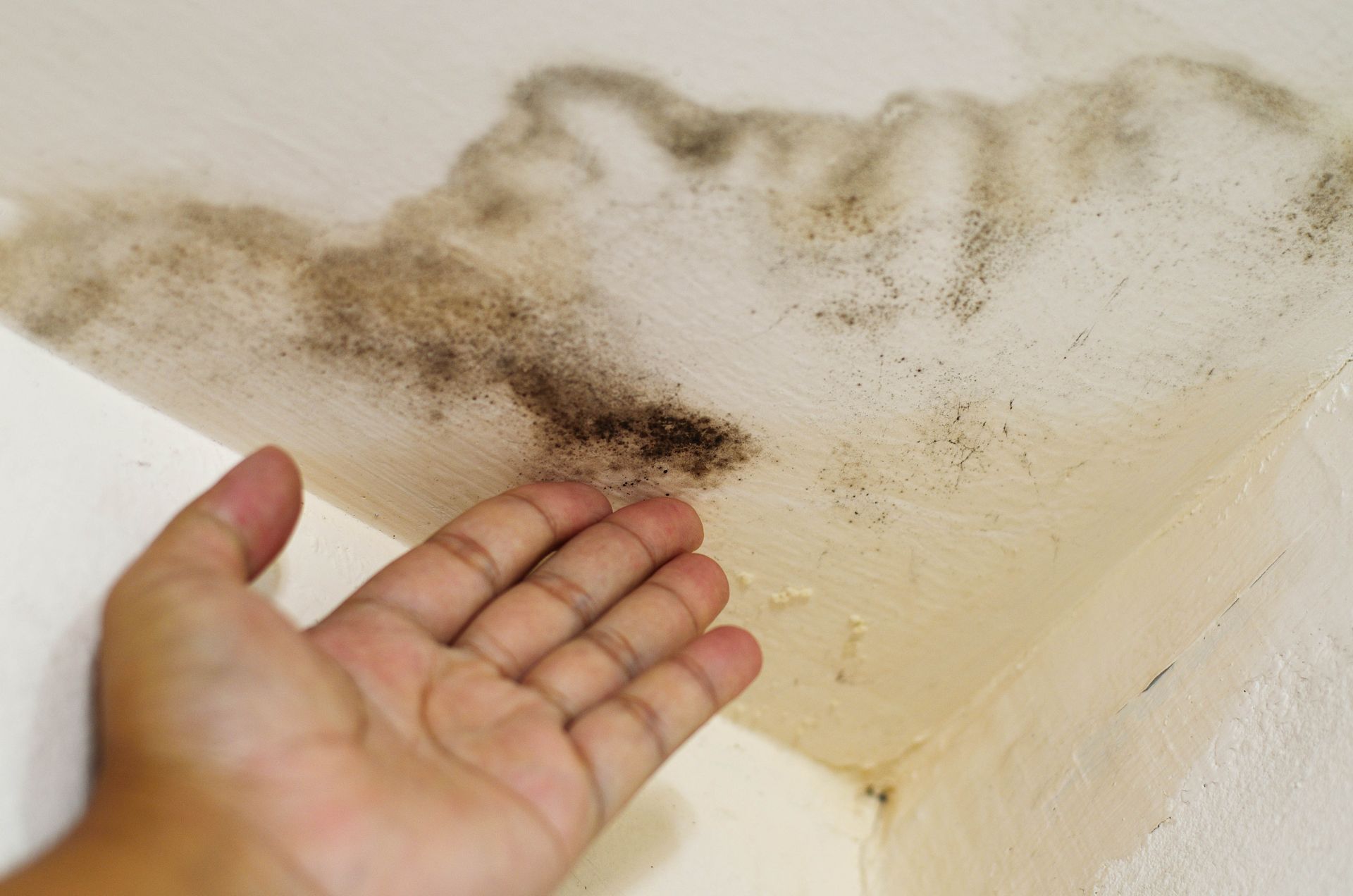
Visible dryness does not necessarily mean the structure is completely dry. Water can travel under flooring, behind baseboards, inside wall cavities, and into insulation. Materials may feel dry on the surface while retaining moisture internally. This is one reason professional water damage repair is important after a significant leak or flood. Restoration technicians can use moisture meters and other tools to locate damp areas that may otherwise go unnoticed. Thorough drying helps reduce the risk of swelling, staining, odors, deterioration, and microbial growth.
Prepare Information for Professional Restoration
Gathering useful information before professionals arrive can make the initial assessment more efficient. Be prepared to explain when the water was first noticed, where it appears to have originated, whether the source has been stopped, and which rooms are affected. Mention any electrical concerns, sewage exposure, ceiling sagging, unusual odors, or previous leaks in the same area. If plumbing work, roof repairs, or renovations were completed recently, that information may also help technicians identify the cause and extent of the problem.
Homeowners should also keep access routes clear when possible so restoration crews can bring equipment into the property safely. Move vehicles, small furniture, or other obstacles away from entrances without entering hazardous areas. Have insurance information and relevant contact details available if needed. Professional water damage repair begins with understanding both visible and hidden conditions, so providing a clear history of the incident can support a more thorough assessment and help the team determine the appropriate extraction, drying, cleaning, and restoration steps.
The first 24 hours after a leak or flood can influence how much additional damage occurs before professional restoration begins. Protecting people from electrical and structural hazards, stopping the water source when it is safe, documenting conditions, moving vulnerable belongings, controlling moisture carefully, and preparing information for technicians can all support a smoother recovery. Homeowners should avoid using dangerous cleanup methods or assuming that surfaces are dry simply because visible water is gone. Prompt water damage repair can help identify hidden moisture, reduce further deterioration, and restore affected areas more effectively. For professional assistance after water damage in your home, contact Allegiance Restoration LLC today.