September 21, 2026
Replacing a complete roofing system represents a massive undertaking for any property owner. The project demands careful coordination, skilled labor, and high-quality materials to protect the home from weather elements. Understanding the full scope of this project helps homeowners anticipate the noise, debris, and activity that accompany such major construction work. Property owners must prepare themselves for a temporary disruption to their routines while crews execute the overhaul.
Finding capable professionals remains critical for a successful outcome. A reputable roofing company orchestrates the operation from the initial assessment to the final sign-off. Homeowners should observe the progression of work to ensure the crew follows industry standards. Clear communication with the project manager guarantees a smooth transition from an aging roof to a brand-new protective barrier. Establishing expectations at the outset prevents misunderstandings during the construction phase.
Tearing Off the Existing Materials
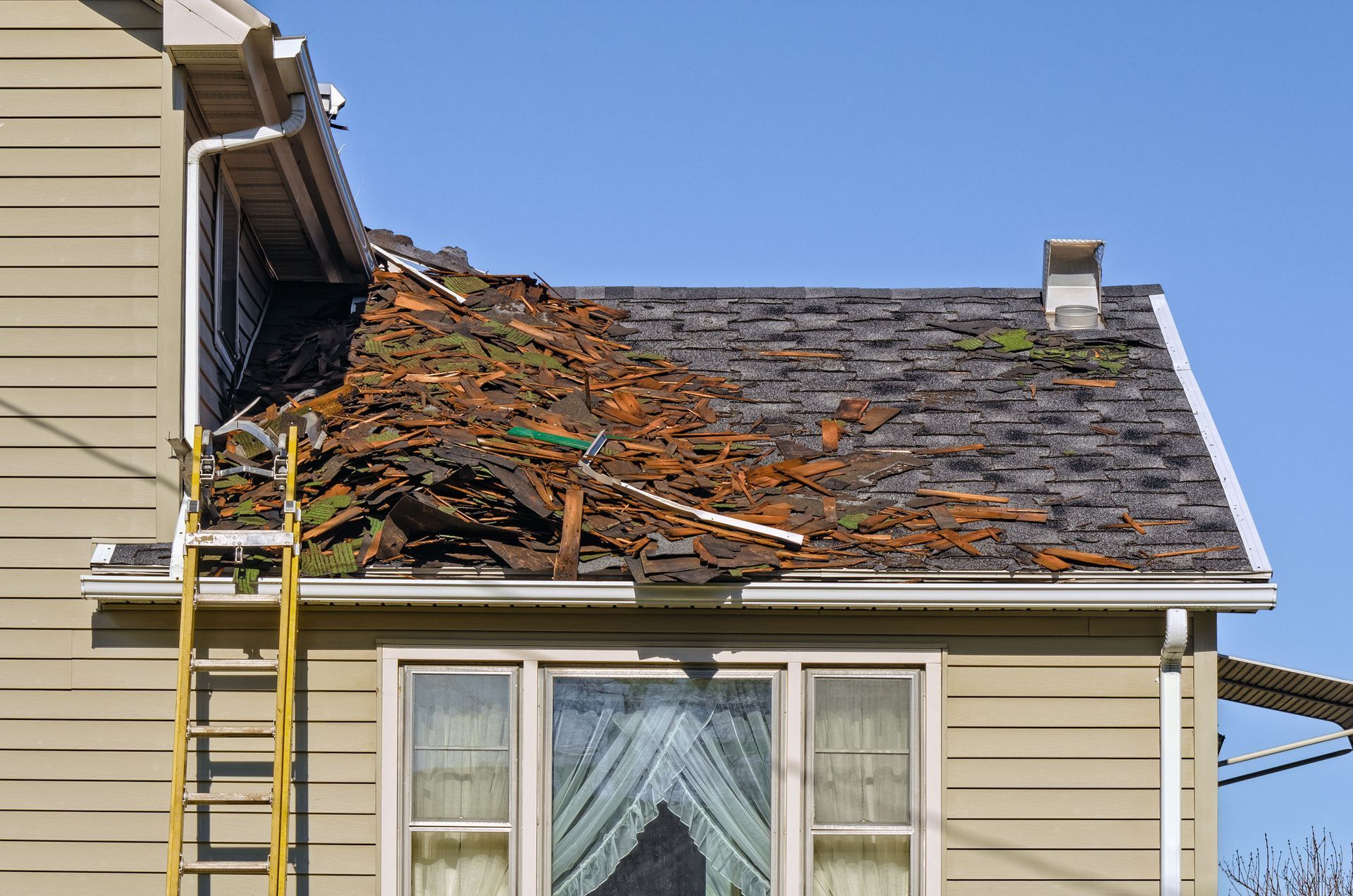
The project begins with site preparation and the removal of old shingles. Workers arrive at dawn to set up tarps and protect the surrounding landscaping, driveway, and walkways. Falling debris poses a significant hazard, so the crew takes precautions to shield windows and delicate plants. A large container sits near the house to collect the discarded materials. Protecting the premises remains a top priority throughout the demolition stage.
Once the property is secure, the crew begins the tear-off process. Workers use specialized tools to pry away the existing shingles, underlayment, and old nails. This stage generates substantial noise and vibration throughout the structure. The removal reveals the bare decking underneath, exposing the skeleton of the house. Stripping the surface allows workers to assess the hidden foundation for damage or structural weaknesses.
Removing all old layers is crucial for evaluating the structural integrity of the roof deck. Some contractors might suggest layering new shingles over old ones, but a thorough roofing company insists on a complete tear-off. Leaving old materials in place hides potential rot and compromises the lifespan of the new installation. The bare deck provides a clean slate for the upcoming work and ensures maximum durability.
During this demolition phase, coordination between crew members maintains safety and efficiency. Workers toss debris into the designated container to keep the yard clear. Managing the waste stream prevents damage to the lawn and keeps the work environment organized. By the end of this stage, the house sits stripped and ready for a new protective layer. Cleanliness during demolition sets a professional tone for the project.
Securing the Underlying Foundation
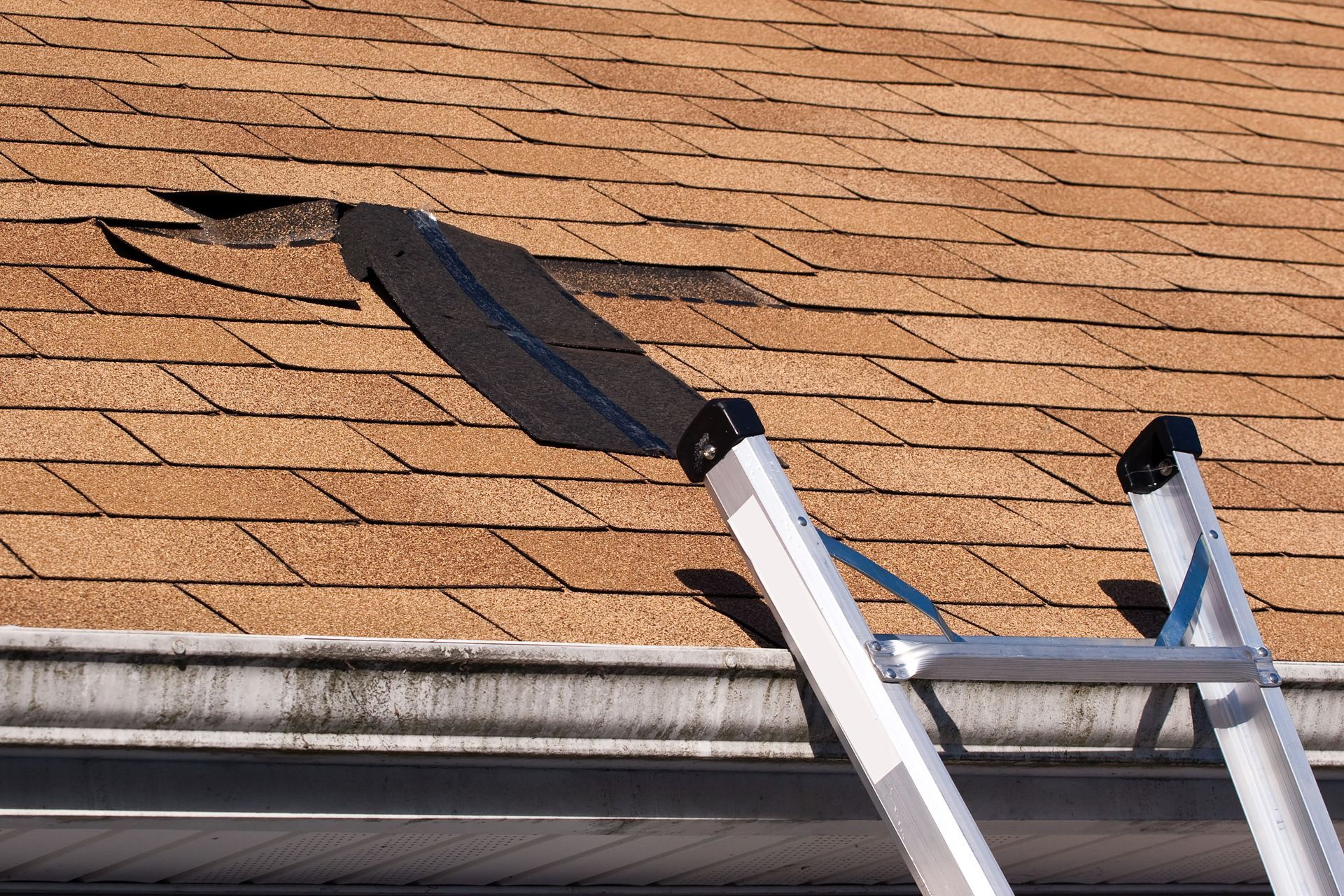
With the old materials gone, the crew shifts focus to the wooden decking. Installers walk the complete surface to inspect for soft spots, water damage, or rot. Any compromised wood must be replaced to create a solid foundation for the new roof. Nailing new shingles to rotting wood guarantees future leaks and structural failure. A solid base provides the necessary support for heavy modern asphalt shingles.
After replacing damaged wood, workers install the drip edge along the eaves. This metal flashing prevents water from seeping under the edges of the roof and directs moisture into the gutters. Proper drip edge installation protects the fascia boards from rot and extends the life of the entire system. A skilled roofing company understands that these foundational elements are critical for long-term weather resistance.
Next comes the underlayment, which acts as an additional barrier against moisture. Crews roll out heavy-duty synthetic felt or traditional asphalt-saturated paper across the entire deck. Ice and water shields are applied to vulnerable areas like valleys and penetrations where leaks originate. This protective layer ensures that even if water gets past the outer shingles, the wood deck remains dry. The underlayment seals the wood from rain.
The underlayment also provides a safer walking surface for the installers as they continue their work. Workers staple or nail the material to the wood, ensuring no wrinkles or bubbles compromise the flat surface. The meticulous application of this moisture barrier sets the stage for the visible components of the new roof. The foundation is now secure and ready for the final exterior weather shielding.
Installing the Surface Components
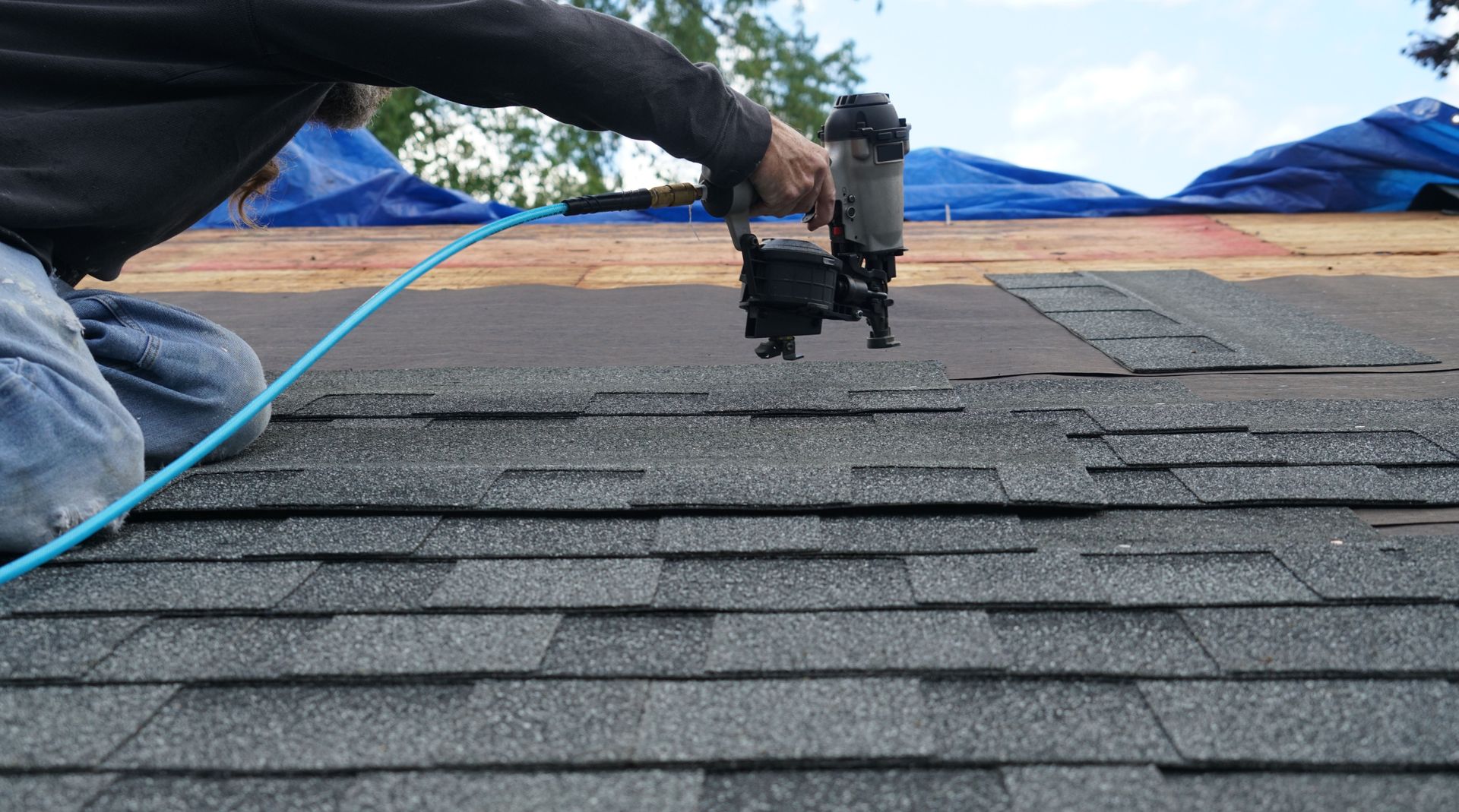
The installation of the surface shingles begins at the bottom edge and moves towards the peak. Crews apply starter shingles along the eaves to provide a secure base and prevent wind uplift. The workers then overlap each row of regular shingles, staggering the joints to block water penetration. This repetitive process requires precision and stamina to maintain straight, even lines across the expanse of the roof deck.
Attention to detail during this stage determines the aesthetic appeal and functionality of the roof. Installers utilize nail guns to secure each shingle with exact placement. Placing nails at an improper height voids manufacturer warranties and weakens the overall wind resistance. A professional roofing company trains its crew to execute this repetitive task with exact precision. Flawless execution prevents blow-offs during severe storms and hurricanes.
Flashing installation occurs alongside the shingle application. Workers integrate metal flashing around chimneys, skylights, and ventilation pipes to seal these vulnerable seams. Step flashing is woven into the shingles where the roof meets a vertical wall, directing water away from the joint. These metal elements are essential for a watertight seal in complex architectural areas. Sealants reinforce the metal joints against heavy rain.
The final piece of the surface installation involves the ridge capping. Special shingles are bent over the peak of the roof to cover the joint where the opposing sloping sides meet. Builders install ridge vents underneath these caps to allow hot air to escape from the attic. Proper ventilation extends the lifespan of the materials and improves the energy efficiency of the home throughout the seasons.
Completing the Final Evaluation
Once the final nail is driven, the project transitions into the cleanup phase. Workers sweep the roof to remove loose debris, sawdust, and stray nails. They clean out the gutters, ensuring no discarded materials block the drainage system. A clean roof signals the end of the heavy construction and the beginning of the restoration process. The property begins to return to a state of normalcy and order.
The crew then focuses on the surrounding property. Workers roll up tarps and collect any debris that missed the dumpster. Crew members walk the perimeter with a magnetic sweeper to pick up hidden nails from the grass and driveway. Leaving a pristine yard is a hallmark of a dedicated roofing company that respects the property owner. The goal involves leaving the site as clean as it was upon arrival.
With the site cleaned, the project manager conducts a thorough inspection of the new roof. This individual checks the flashing, the nail placement, and the overall alignment of the shingles. Homeowners rely on different types of professionals for home improvement. According to Houzz, general contractors are the most commonly hired professionals during renovations, with nearly 29% of homeowners choosing to work with them. Oversight remains paramount.
Specialized roofing projects require a dedicated inspector to verify the work. The project manager ensures every aspect of the installation meets local building codes and manufacturer specifications. Any minor issues are addressed without delay before the crew leaves the site. The homeowner is then invited to review the completed work and sign off on the project. The final walkthrough provides assurance that the job meets all standards.
Choosing experienced professionals ensures the project proceeds without unnecessary complications. A reliable roofing company manages the chaos, respects the property, and delivers a high-quality finished product. By knowing what to expect, homeowners can navigate the replacement process with confidence. A brand-new roof stands as a testament to skilled labor, excellent project management, and premium materials. The investment protects the home for decades into the future. If you are ready to begin your replacement project, reach out to us at Allegiance Restoration LLC today. Our roofing company is prepared to guide you through every step of the process with precision and care.