July 21, 2026
A roof can show signs of trouble long before a major leak or structural failure occurs. Missing shingles, water stains, unusual drafts, and visible changes in the roofline can all point to problems that deserve attention. Homeowners who recognize these warning signs early can address damage before it spreads into insulation, ceilings, walls, or framing. Knowing when to start calling roofing companies can make it easier to get a professional opinion before a manageable problem becomes a larger disruption.
Damaged or Missing Shingles
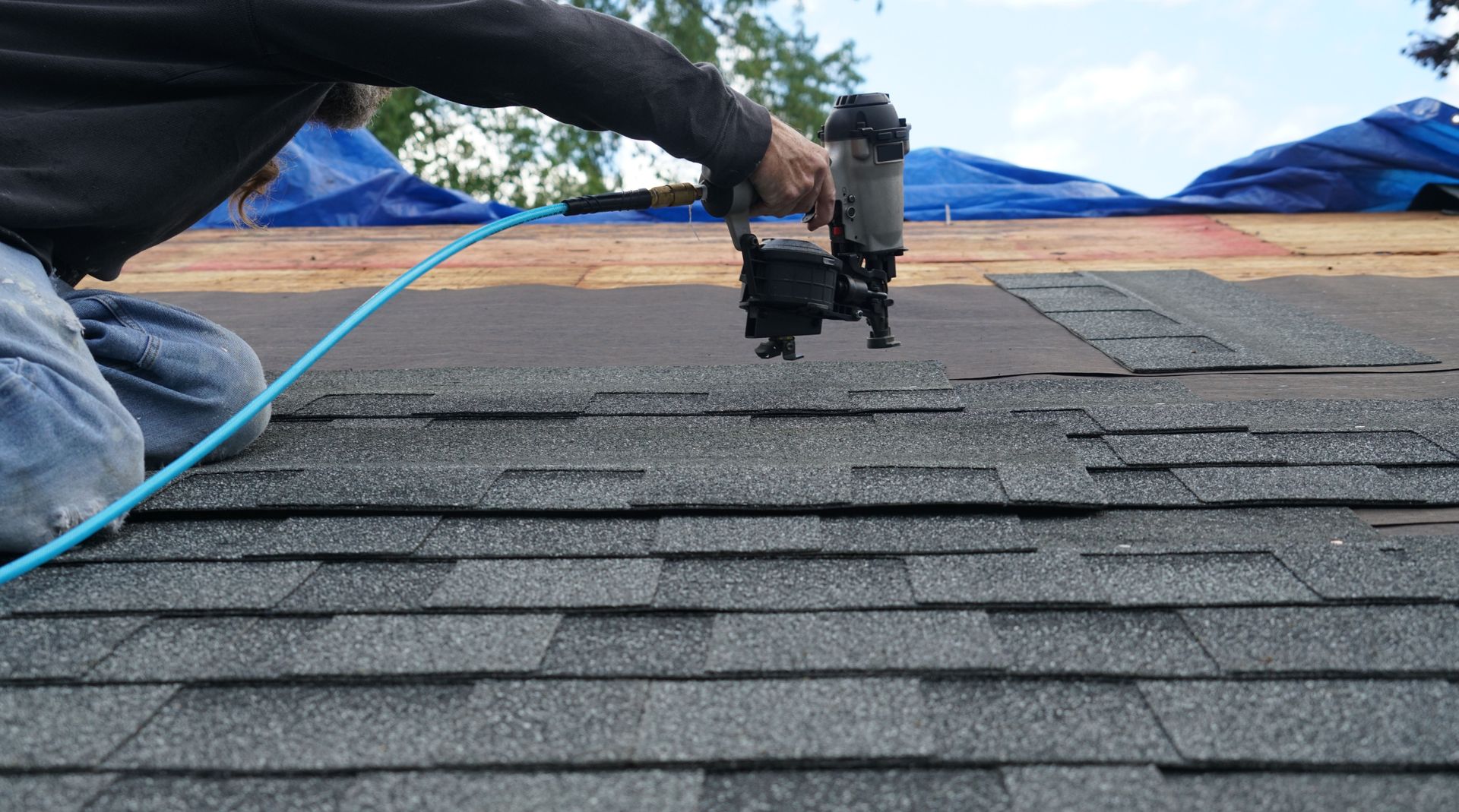
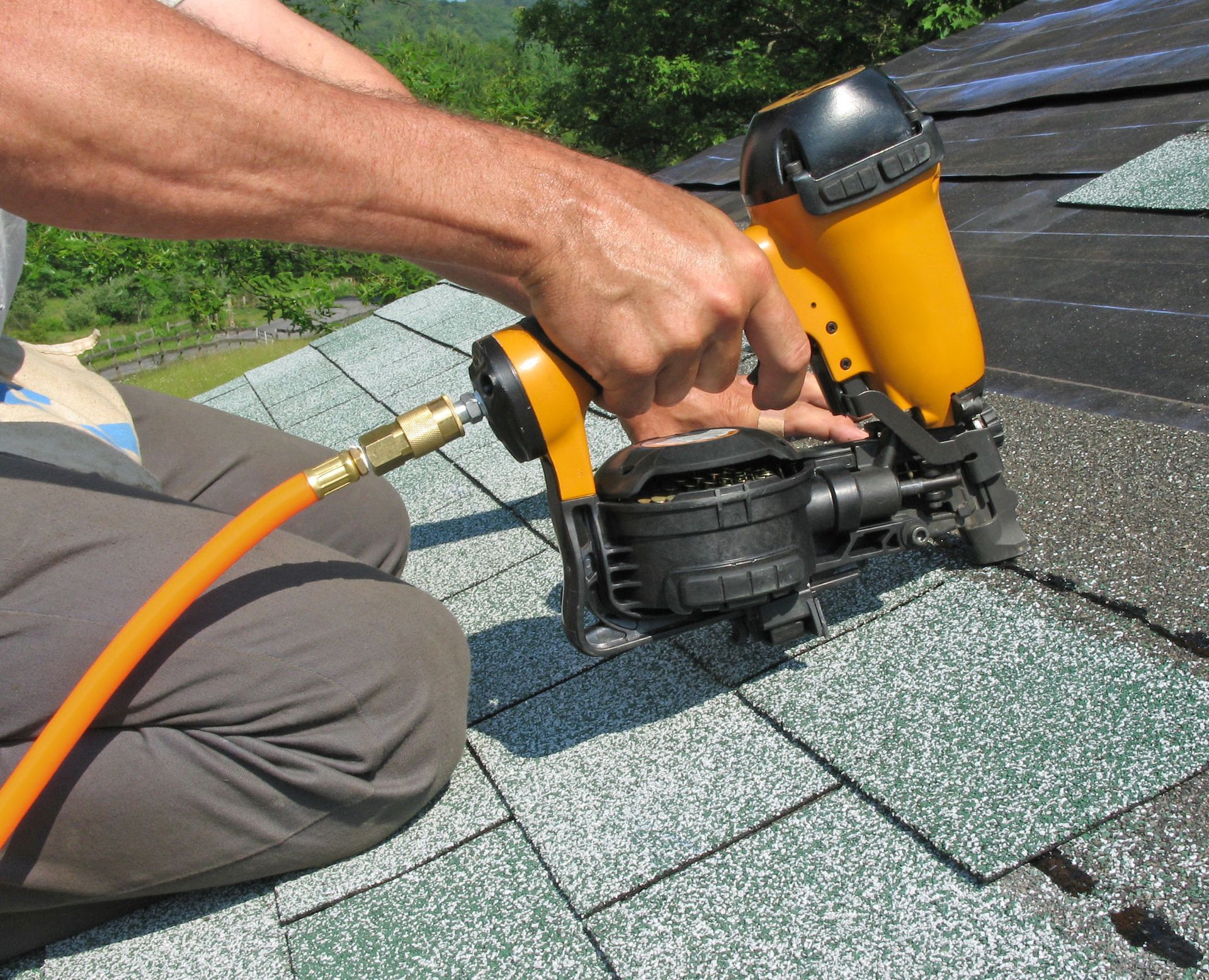
Shingles form one of the most visible protective layers of a roof, so noticeable damage should not be ignored. High winds can lift or remove shingles, while years of sunlight, rain, and temperature changes may cause them to crack or become brittle. Bald patches or exposed areas can leave the roofing system more vulnerable to moisture. When several shingles are missing or visibly deteriorated, the roof may need more than a cosmetic fix.
Curling edges are another warning sign. Shingles that turn upward or downward may no longer lie flat enough to direct water as intended, while cracks can spread as the material ages. Roofing companies can evaluate whether the damage is concentrated in one section or appears throughout the roof, helping clarify whether repair or broader replacement work should be considered.
Water Stains or Active Leaks Appear Indoors
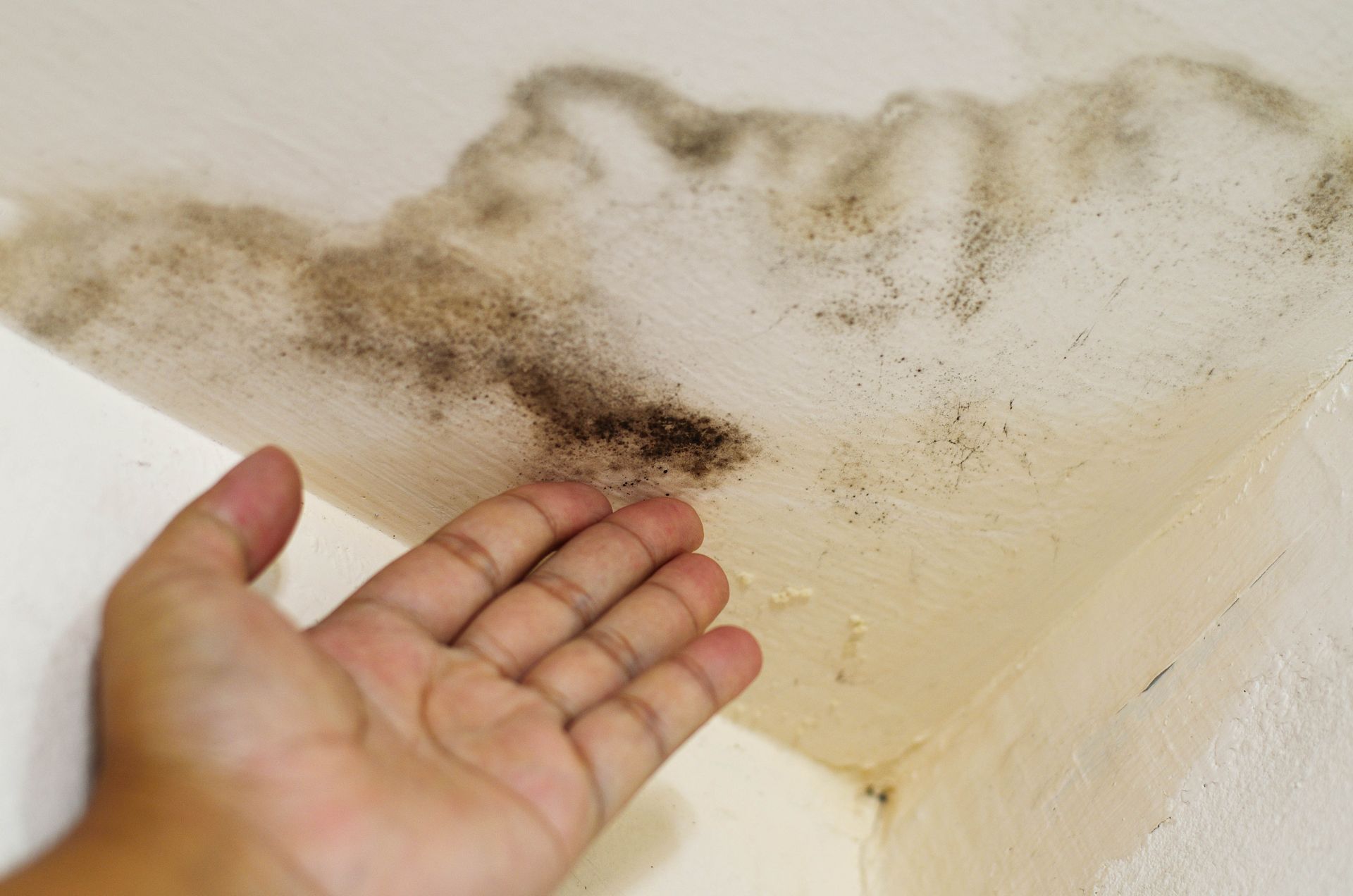
A discolored patch on a ceiling or wall may be one of the first interior signs of a roofing problem. Brown or yellow stains often indicate that moisture has entered the home and traveled beyond the roof surface. The stain may not sit directly beneath the entry point because water can move along decking, framing, or other materials before becoming noticeable indoors.
Wet insulation, damp attic areas, or puddles after heavy rain are stronger indications that water is getting through the roofing system. Active dripping during a storm is especially concerning because it suggests an opening is already allowing water into the home. Contacting roofing companies promptly can help identify the source and determine how far the moisture has traveled.
Leaks should not be judged only by the amount of visible water. Even a small, recurring leak can affect wood, drywall, insulation, and interior finishes over time. Peeling paint, bubbling wallpaper, or a musty smell near an upper wall or ceiling may also point to ongoing moisture. A professional evaluation can help connect these symptoms to the condition above them.
The Roof Is Reaching an Advanced Age
Age does not automatically mean a roof is failing, but it is an important factor when deciding whether to schedule an inspection. Roofing materials have different expected service lives, and weather exposure, installation quality, ventilation, and maintenance can influence how long a roof remains functional. An older roof may still look acceptable from the ground while hidden wear develops around flashing, underlayment, or other components.
According to RubyHome.com, an average roof lasts between 20 and 50 years depending on the type of roof and material quality. That range gives homeowners useful context when comparing roof age with visible warning signs. If an older roof is also showing leaks, cracking, or widespread shingle wear, calling roofing companies becomes more important.
Homeowners who do not know the roof's age can review closing documents or prior repair records when available. Age should be considered alongside current condition and repeated repair needs rather than used as the only reason for replacement.
The Roofline Is Sagging or Uneven
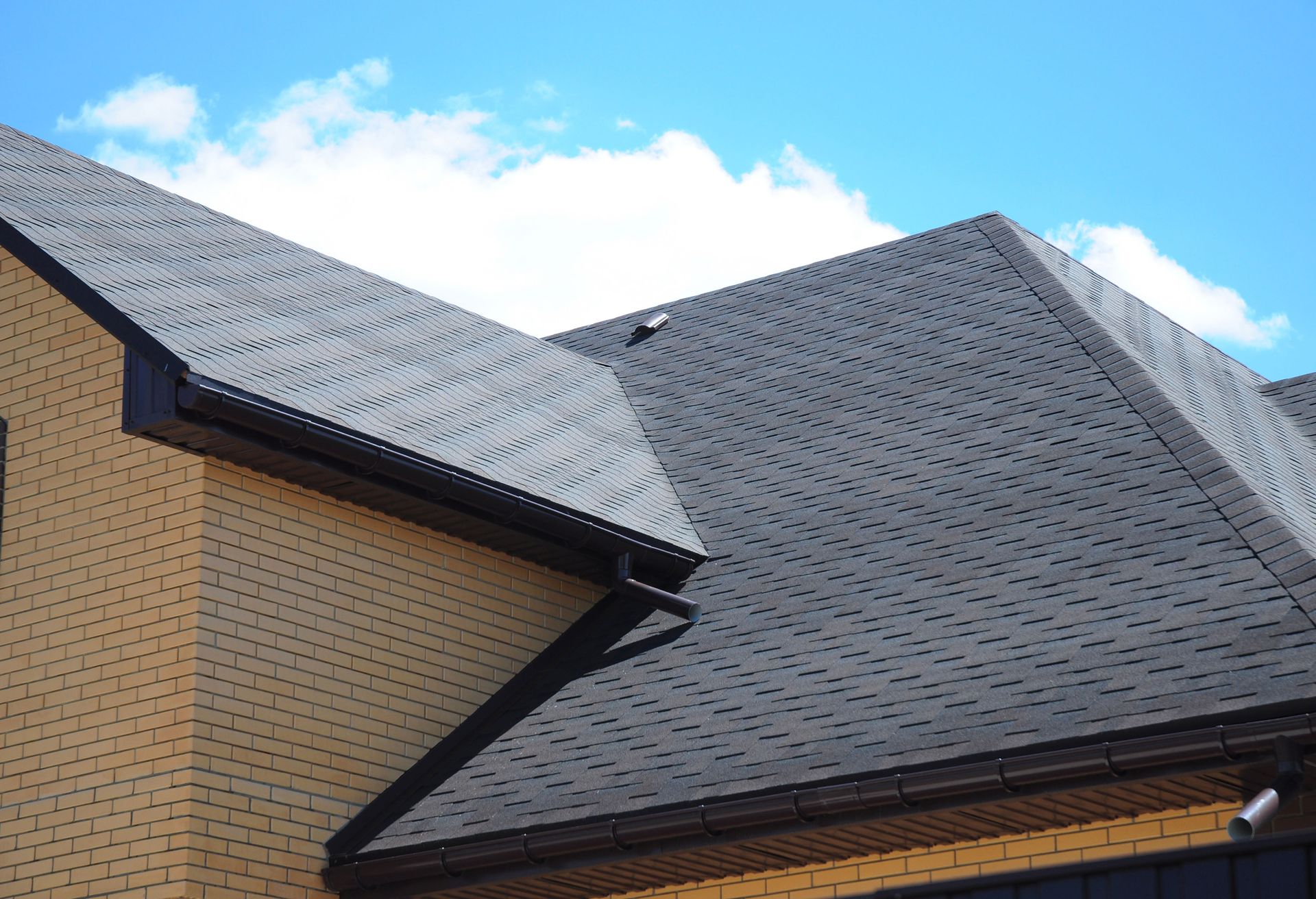
A roof should generally maintain a consistent shape across its slopes and ridges. Visible dips, waves, or sagging sections can indicate that the underlying structure is under stress. Water intrusion, deteriorated decking, prolonged weight, or framing problems may contribute to these changes. Because the concern can involve more than the exterior material, prompt professional attention is important.
Sagging may be easiest to notice from a distance where the entire roofline can be compared. Inside the attic, bowed decking or visibly deflecting structural components may also raise concerns. Homeowners should not walk across a roof to investigate a suspected weak area. A professional assessment can determine whether structural evaluation or repairs are needed.
Shingle Granules Are Collecting in the Gutters
Asphalt shingles are covered with granules that help protect the surface from sunlight and weather exposure. Some granule loss can occur naturally, particularly with newer shingles or after severe weather. Large amounts of loose granules collecting in gutters and downspouts, however, may indicate that the shingles are wearing down.
A roof that is losing granules may begin to look patchy, faded, or uneven in color. Darker or smoother-looking areas can show where the protective surface has thinned. When granule loss appears alongside cracking, curling, or age-related wear, it may be time to ask roofing companies to evaluate the overall condition of the shingles.
Gutters collect runoff from large sections of the roof, so repeated granule buildup after rain can provide a useful clue. An inspection can help determine whether the shedding is expected or reflects more advanced deterioration.
Energy Bills Rise or Indoor Temperatures Become Harder to Control
A sudden increase in heating or cooling costs can have several causes, but the roof and attic should not be overlooked. Problems with roofing, ventilation, or insulation can affect how well the home controls heat and air movement. Rooms near the top of the house may feel unusually hot in summer or difficult to warm during colder months.
Unexpected drafts can provide another clue. Air movement near ceilings or upper walls may point to gaps, damaged materials, or insulation concerns that deserve closer evaluation. These symptoms do not automatically confirm roof damage, but they may justify an inspection when they appear alongside shingle wear, leaks, or an aging roof.
Experienced roofing companies can examine components that may contribute to moisture or air-control problems and help determine whether the roof is involved. Higher energy bills alone do not necessarily mean a new roof is needed. The goal is to identify whether roofing conditions, attic concerns, or other factors are connected.
Daylight Is Visible Through the Attic
Seeing daylight through the roof from inside the attic is a clear sign that an opening exists somewhere in the roofing system. Small points of light may indicate gaps, holes, displaced materials, or deteriorated sections. Where light can enter, water and outside air may also have a path into the home.
This warning sign deserves attention even when no active leak is visible. An opening that remains dry during one storm may allow water inside during another. Moisture entering through a small gap can spread into insulation or wood before stains appear in finished living areas.
When daylight, drafts, or dampness are found in the attic, contacting roofing companies can help homeowners understand the source and severity of the opening. The repair needed may depend on whether the problem is isolated or connected to broader deterioration. Visible light through the roof should not be treated as a normal condition.
Knowing When Professional Attention Is Needed
Damaged shingles, ceiling stains, advanced roof age, sagging, heavy granule loss, unexplained temperature changes, and visible attic openings can all signal that the roof deserves closer attention. No single symptom always tells the full story, which is why a professional evaluation can be valuable.
Calling for an inspection does not automatically mean a complete roof replacement is necessary. It creates an opportunity to identify the source of the problem and consider appropriate repairs before damage spreads. Paying attention to these signs can help homeowners protect the structure instead of waiting until a roof problem becomes impossible to ignore.