August 20, 2026
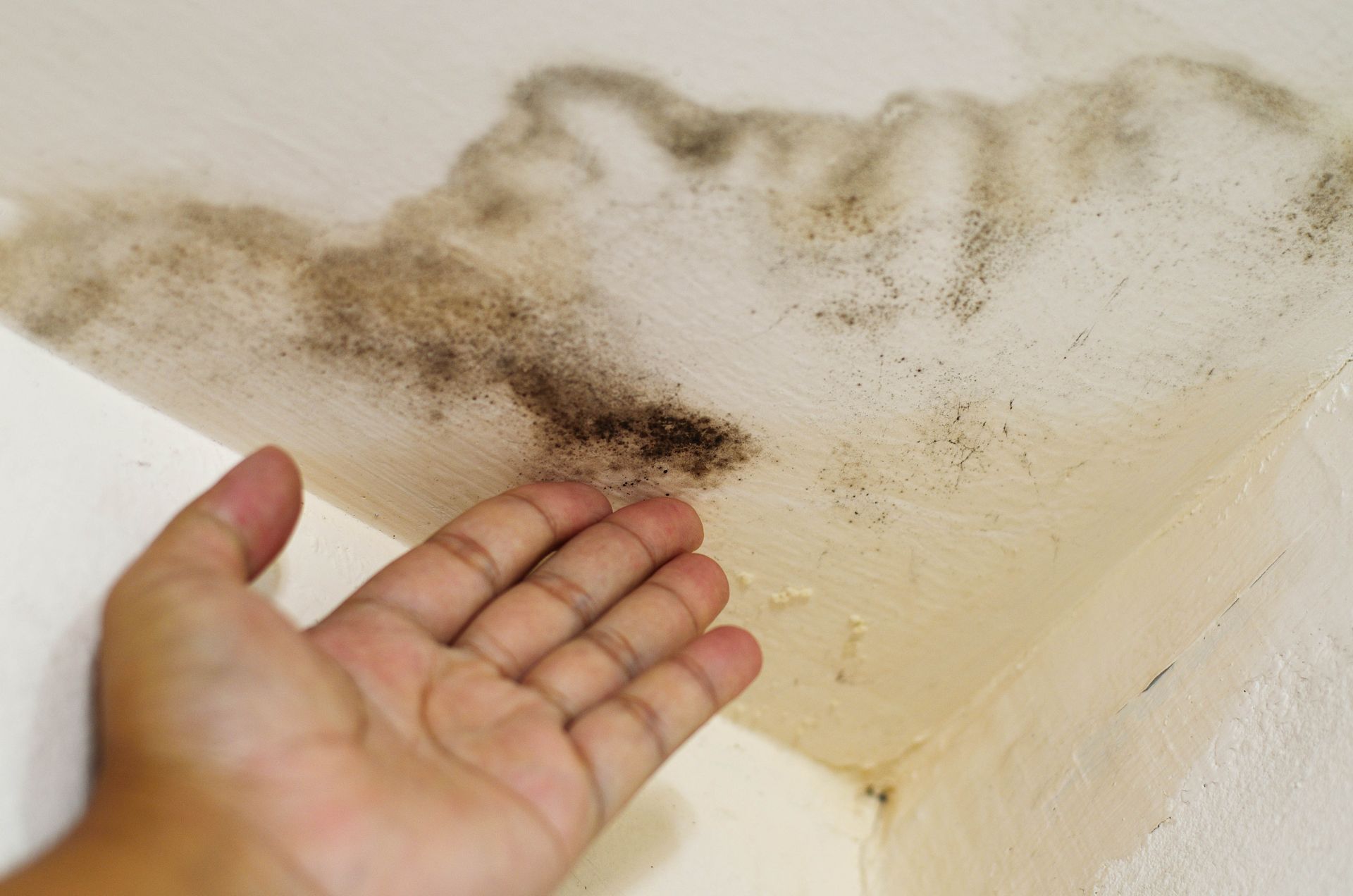
A secure, watertight roof is fundamental to preserving the structural integrity and indoor comfort of any building. When water breaches the upper barrier of a home, even a small trickle can gradually compromise wooden rafters, ruin insulation, destroy drywall, and encourage mold growth. Professional roofing contractors possess the specialized knowledge, safety equipment, and diagnostic tools required to pinpoint elusive leaks and perform durable fixes. When property owners notice water stains on their ceiling, seeking prompt local roof repairs can prevent minor leaks from spiraling into massive structural damage. The growing demand for professional maintenance highlights a booming global market. According to Webinar Care, the global roofing industry is projected to hit $156 billion USD by 2030. Understanding how roofing experts locate and resolve common leak sources offers valuable insight into maintaining a safe, long-lasting structure.
Identifying the Primary Causes of Residential Water Intrusion
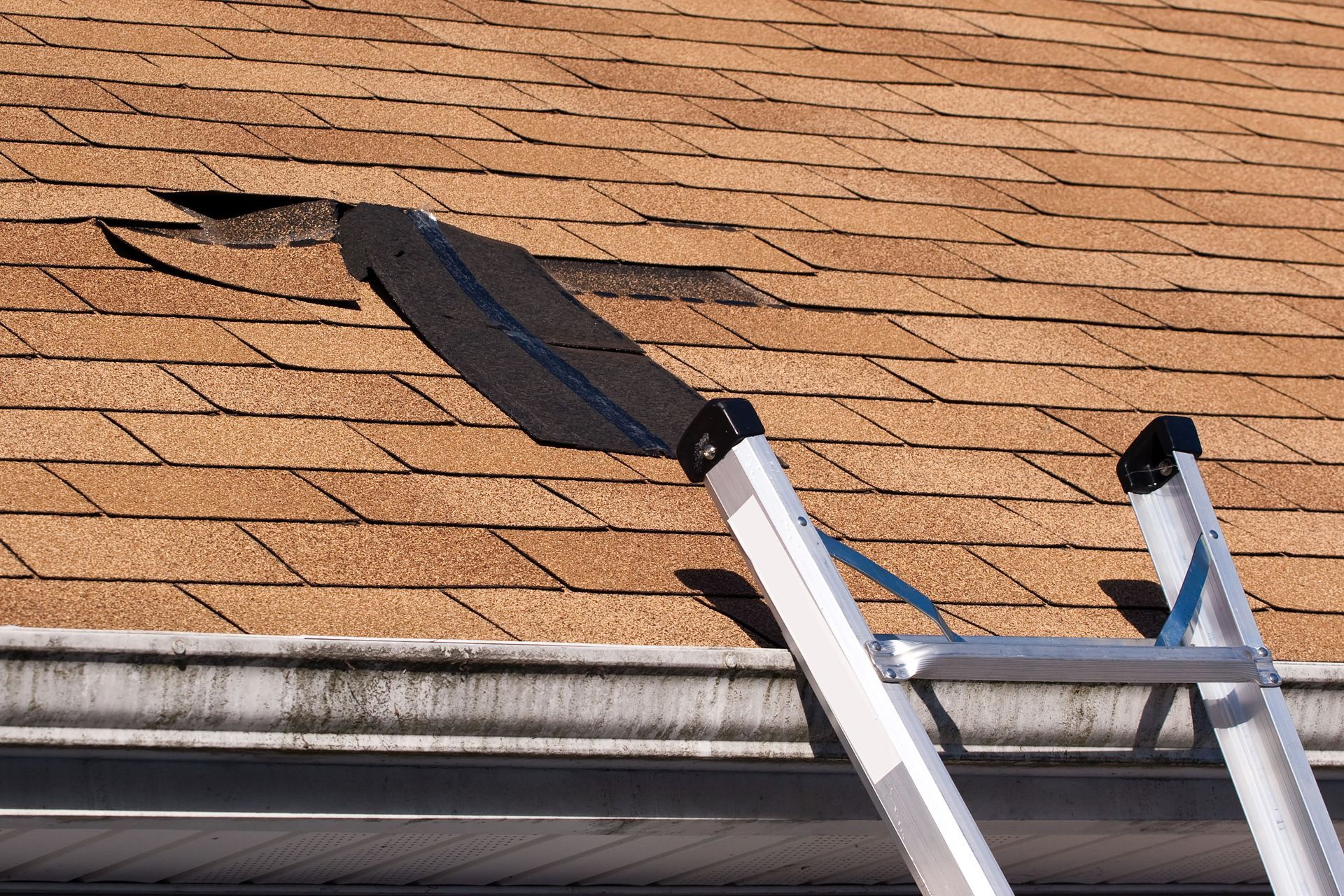
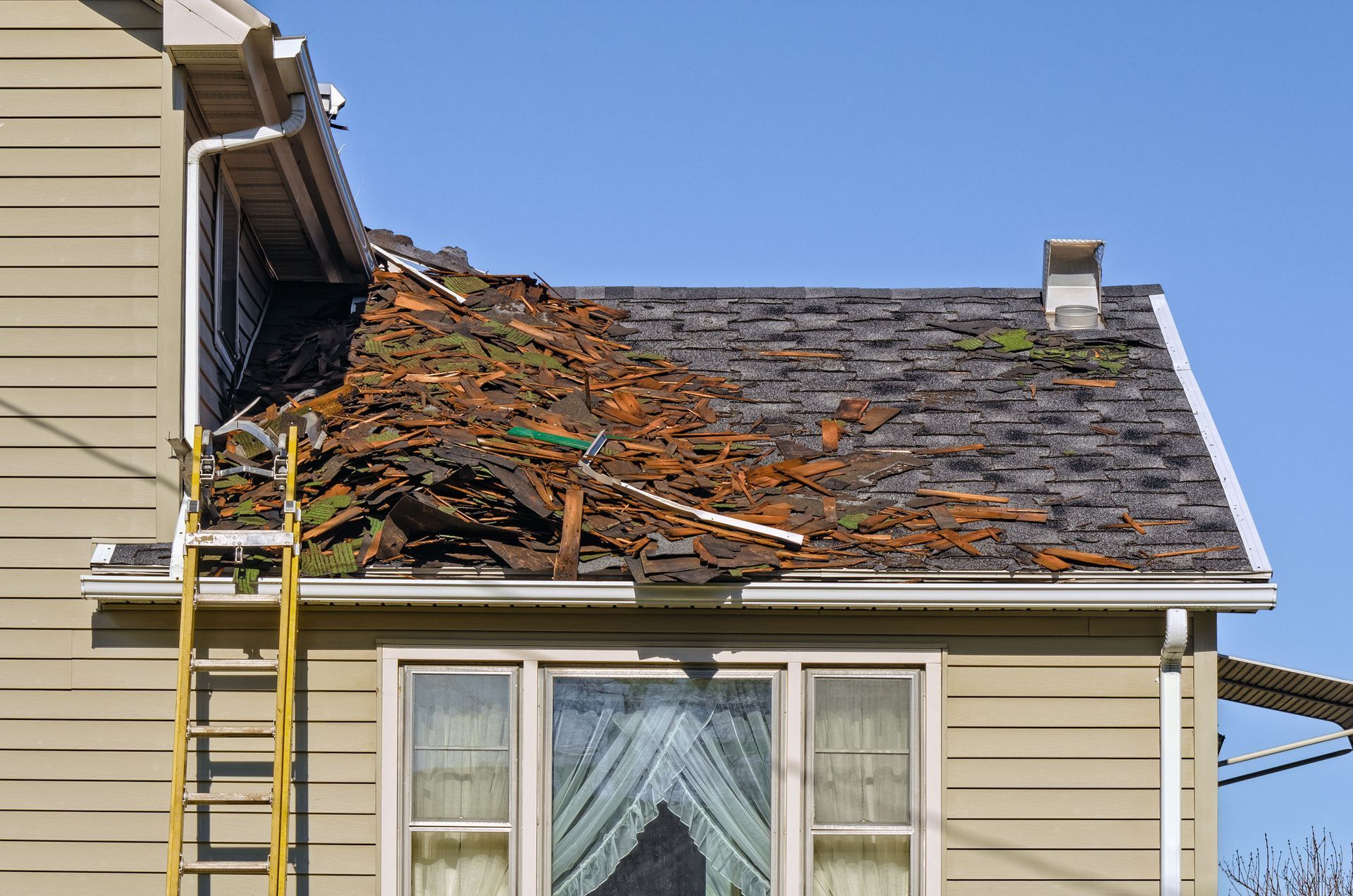
Water intrusion rarely stems from a single sudden catastrophic event; more often, it results from years of gradual wear, weather exposure, and material degradation. High winds can loosen, lift, or completely strip away protective shingles, leaving the sensitive underlayment vulnerable to driving rain. Extreme temperature fluctuations cause roofing materials to expand and contract repeatedly, which over time creates subtle stress fractures and loosens fastening. Furthermore, intense ultraviolet radiation breaks down asphalt compounds, making older shingles brittle and prone to cracking under mild pressure.
Another frequent culprit involves damaged or improperly installed flashing around roof penetrations.
Metal flashing strips surround chimneys, skylights, dormers, and vent pipes to divert flowing water away from vertical seams. When caulk seals dry out or metal strips corrode, water easily slips beneath the surface layer and migrates into the attic structure. Investing in timely local roof repairs helps address these flashing failures before water rots the underlying roof deck.
Locating Hidden Moisture Sources With Advanced Techniques
One of the greatest challenges in roof restoration is that the entry point of water on the outer roof surface rarely aligns directly with the visible water stain inside the building. Water naturally follows gravity, traveling along sloping rafters, roof trusses, and horizontal ceiling joists before finally collecting and pooling on low points in drywall. Professional contractors specializing in local roof repairs understand that water rarely travels in a straight line, making specialized tracking tools essential.
Experienced technicians begin their investigation inside the attic during daytime, looking for subtle telltale signs such as damp insulation, rusty nail heads, dark wood discoloration, or pinpricks of daylight shining through the decking. To detect hidden moisture pockets behind finished walls and ceilings without destructive tearing, contractors utilize moisture meters and thermal imaging cameras. Infrared cameras measure surface temperature differentials, revealing cold spots where trapped water is evaporating behind building materials. When visual and digital scans remain inconclusive, technicians conduct controlled water hose testing, systematically wetting specific roof zones from bottom to top while an assistant monitors the interior for moisture movement.
Addressing Damaged Flashing and Penetration Vulnerabilities
Roof penetrations represent the most vulnerable areas on any residential structure because they disrupt the continuous sloped plane of protective shingles. Plumbing vent stacks, exhaust fans, chimneys, and skylights all rely on custom flashing assemblies to maintain a watertight seal. Rubber boots surrounding pipe boots tend to dry, crack, and split after several years of direct sun exposure, creating a direct path for rainwater to flow downward along the vent pipe into the home.
To fix compromised penetration seals, roofing specialists carefully remove surrounding shingles to access the step and counter flashing underneath. Damaged metal sections are replaced with high-grade galvanized steel, aluminum, or copper flashing, tailored to fit tightly against the vertical surface. Contractors apply specialized roofing sealants beneath the flashing flanges and reinstall fresh shingles around the penetration, ensuring proper overlapping patterns. Scheduling immediate local roof repairs ensures that corroded metal boot pans and cracked caulk joints are fully replaced before the next heavy storm.
Repairing Compromised Shingles and Underlayment Materials
Shingles act as the first line of defense against precipitation, making individual tile or shingle damage a frequent source of water leakage. Hail impacts can dislodge surface granules, exposing the underlying asphalt matrix to rapid weathering and moisture absorption. Similarly, wind uplift can tear away shingle tabs or break the factory adhesive bonds that lock consecutive courses together. When high winds tear away shingles, investing in targeted local roof repairs restores the protective moisture barrier over your home.
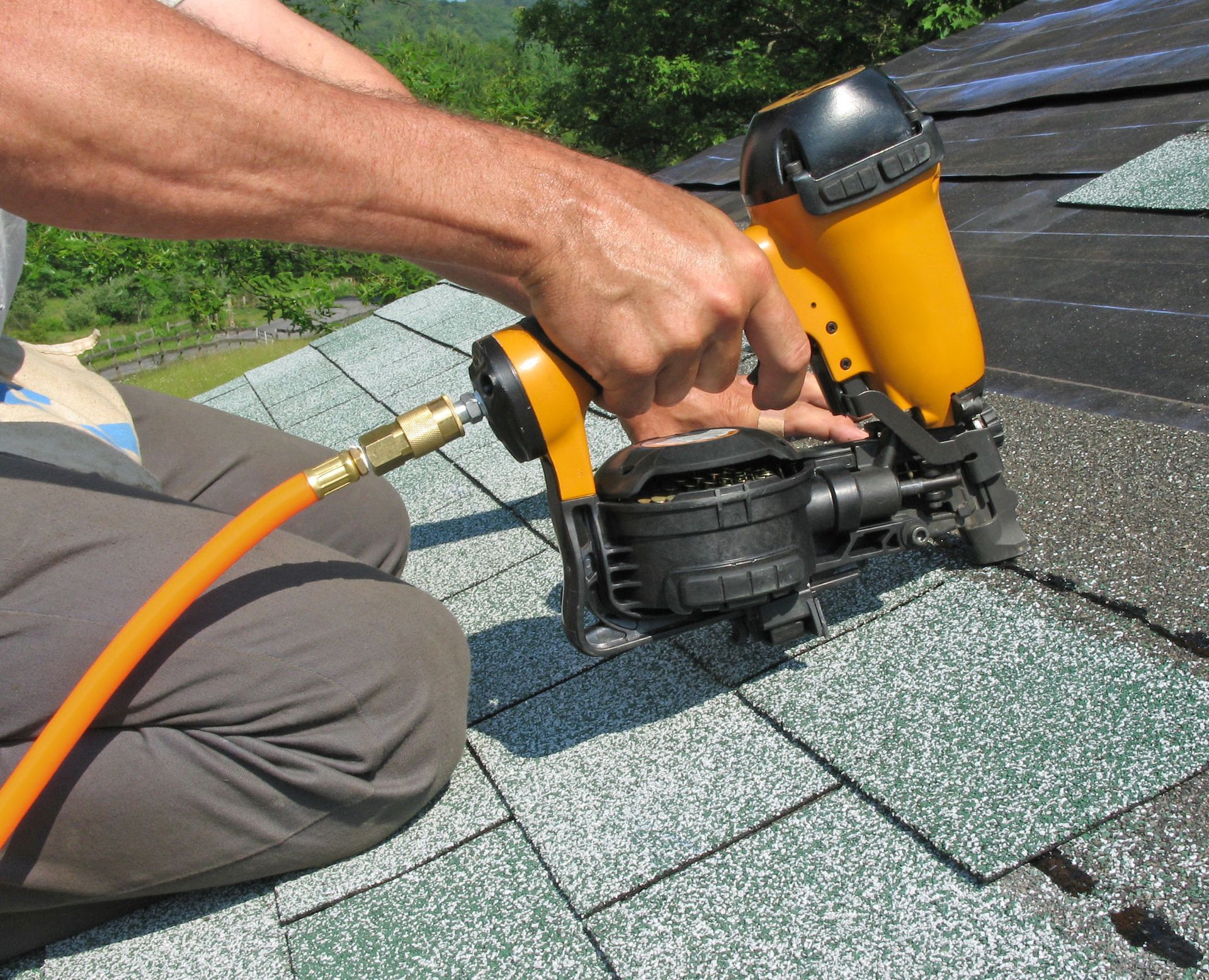
When repairing damaged shingles, professionals do not simply apply top coats of sealant over compromised areas, as quick patches rarely survive extreme weather. Instead, technicians use flat pry bars to gently loosen surrounding intact shingles and pull out rusted roofing nails without damaging adjacent surfaces. The damaged shingle and deteriorated underlayment felt are removed, exposing the raw wooden roof deck. Contractors inspect the underlying sheathing for soft spots or rot, replacing damaged wood panels when necessary. Fresh synthetic underlayment is laid down, followed by color-matched replacement shingles that are securely nailed and hand-sealed along the factory adhesive strip.
Maintaining Preventative Care to Avoid Recurring Damage
Fixing existing leaks is only part of a comprehensive roof preservation strategy; proactive maintenance is essential for stopping future leaks before they start. Clogged gutters represent a major cause of preventable water damage around eaves and fascia boards. When gutters fill with leaves, twigs, and organic debris, rainwater cannot drain properly, causing water to back up beneath the lowest row of shingles. Over time, trapped standing water rots fascia boards and causes soil erosion around the home foundation.
Trees extending over the roofline also pose significant risks to upper building surfaces. Overhanging branches drop excess organic litter into valley channels, trapping moisture against shingle surfaces and encouraging moss growth. Moss retains water like a sponge, lifting shingle edges and accelerating granule loss. Professional contractors recommend trimming branches back at least six to eight feet from the roof plane and cleaning gutter channels twice annually. Routine maintenance inspections often reduce the overall frequency and cost of major local roof repairs throughout the lifespan of a home.
Selecting Qualified Professionals for Sustainable Protection
While minor home maintenance tasks can be handled by handy homeowners, roof leak diagnostic work and structural restoration carry inherent safety risks and require technical proficiency. Working at steep heights requires harness systems, specialized footwear, and strict adherence to safety standards. Furthermore, misdiagnosing the origin of a leak can lead to ineffective surface patches that allow hidden structural decay to continue unnoticed inside attic cavities and wall frames.
Partnering with licensed, insured, and experienced roofing specialists guarantees that repairs meet local building codes and manufacturer warranty requirements. Experienced contractors offer detailed inspections, transparent written estimates, and material guarantees that provide long-term peace of mind. By relying on certified contractors for your local roof repairs, you safeguard both your financial investment and the long-term structural health of your property.
Addressing roof leaks early through accurate diagnostic techniques, durable material replacements, and proactive maintenance is the most effective way to safeguard your home against costly structural water damage. By understanding how moisture penetrates upper building barriers and relying on skilled craftsmanship for complex fixes, you ensure your property remains safe, comfortable, and resilient against harsh weather conditions. When you are ready to resolve persistent leaks and protect your property with reliable craftsmanship, contact Allegiance Restoration LLC today to schedule your comprehensive roof inspection.