October 20, 2026
In the roofing and home improvement industry, contractors often face the decision of whether to recommend roof repairs or a complete roof replacement. Determining the best course of action requires a comprehensive evaluation of various factors that influence the outcome. By considering current roof conditions, costs, environmental impact, safety, and client expectations, contractors can provide tailored solutions to meet each property's unique needs. Let's take a moment to explore the key indicators that guide roofing contractors in making these critical decisions, ensuring client satisfaction and long-term cost-efficiency.
Assessing Current Roof Condition
Visual Inspection and Structural Integrity
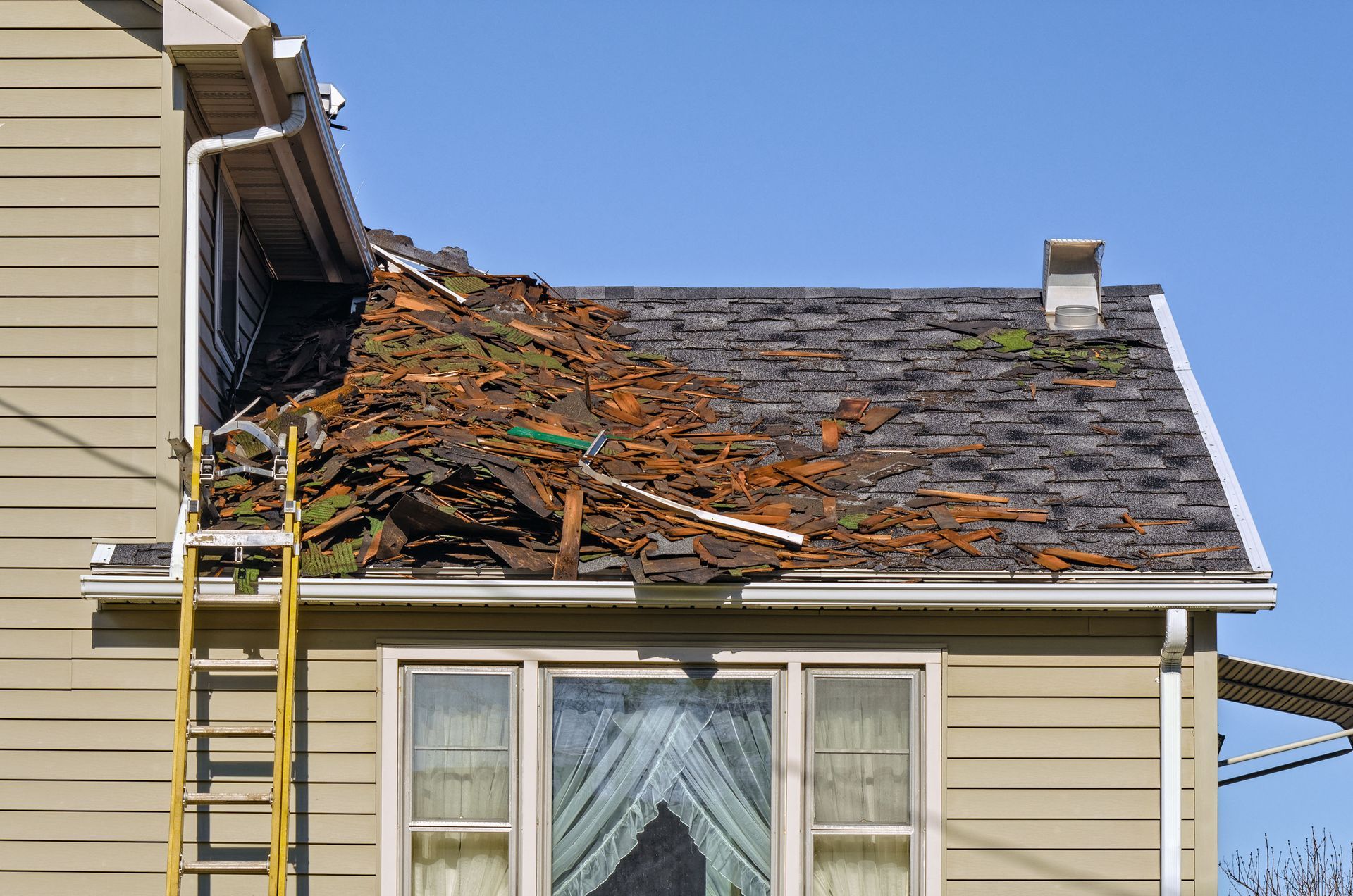
Visual inspections are the first step in assessing a roof's health. Roofing contractors rely on their expertise to identify visible signs of deterioration or potential failure points, such as cracked shingles, degraded flashing, or sagging rooflines. A comprehensive inspection includes checking for active leaks and physical damage that might compromise the structural decking beneath.
Structural integrity is paramount, as prolonged water intrusion can lead to widespread wood rot and compromise the safety of the entire building. According to RubyHome, an online real estate resource, an average roof lasts between 20 and 50 years depending on the type of roof and material quality, highlighting the importance of regular inspections to keep the structure in top condition.
Beyond surface-level evaluations, contractors may employ advanced tools such as thermal imaging cameras to detect moisture trapped beneath the membrane or insulation. Technology enhances the ability to locate unseen problems, providing an accurate picture of the roof's condition. This thorough examination helps contractors gauge the urgency and scope of roof repairs needed.
By identifying localized issues early, necessary roof repairs can often address the problem and postpone expensive roof replacements. Ensuring structural soundness is crucial for the building's longevity and safety.
Inspections should be systematic and adhere to industry safety and quality standards. Contractors typically utilize a checklist tailored to specific roofing materials, such as asphalt shingles, tile, metal, or flat membrane systems, to ensure no crucial elements are overlooked. Detailed documentation during inspections provides a baseline record over time, tracking changes in the roof's condition to inform future maintenance or replacement decisions.
Age and Historical Performance
The age of a roof is a strong indicator of its remaining useful life and susceptibility to future leaks. Older roofing systems exhibit natural weathering, granule loss, or material embrittlement that newer materials resist due to manufacturing advancements. Historical performance, including how often the roof has required patching, helps predict future vulnerability.
Contractors evaluate age alongside historical data to determine the cost-effectiveness of continuing with ongoing roof repairs versus replacing the entire system. Knowing when a roof has exceeded its prime lifespan prevents home and business owners from facing escalating maintenance costs and sudden interior water damage.
Each roofing material has an expected lifespan that dictates whether targeted roof repairs make economic sense. When evaluating an aging roof, contractors check whether performance metrics align with these operational thresholds. Performance tracking helps identify age-related degradation so contractors can deliver precise recommendations that balance the remaining lifespan against ongoing maintenance costs.
Maintenance History and Past Repairs
A roof's maintenance history reflects the level of upkeep it has received over its life. Contractors review records of past maintenance, such as gutter cleanings, moss removal, and previous patch jobs, to evaluate overall care. A roof subject to consistent upkeep is far more likely to reach the upper end of its expected lifespan. Conversely, deferred maintenance often leads to compounding moisture issues that escalate future restoration costs.
Reviewing past service records reveals whether previous efforts addressed root causes or merely offered temporary fixes. If past roof repairs failed to resolve persistent leaks, or if underperforming materials were used, contractors can advise whether further localized fixes will yield diminishing returns.
Documentation is also critical for warranty coverage because many manufacturer warranties require proof of periodic inspections and routine maintenance. An accurate record helps contractors navigate warranty claims, advising property owners on strategies to extend roof life while managing long-term expenses.
Determining Obsolescence and System Upgrades
Technological Updates and Material Advancements
As roofing technologies evolve, older roofs can become functionally obsolete even if they appear structurally sound. Modern roofing systems feature high-performance underlayment, advanced synthetic materials, and cool-roof reflective granules that standard materials from past decades lack. Technological updates often drive the decision to replace a system rather than continue applying piecemeal roof repairs.
Emerging solutions, such as solar-integrated shingles, enhanced attic ventilation systems, and impact-resistant materials, offer substantial energy savings and protection against severe hail or wind events. Upgrading to these advanced materials lowers long-term operational costs and reduces a property's environmental footprint. Contractors encourage clients to evaluate material obsolescence as an opportunity to boost property value, security, and energy performance.
Manufacturer Specifications and Recommendations
Manufacturer specifications provide essential guidelines for maintaining or replacing roofing systems. These standards outline installation protocols, recommended maintenance schedules, and warranty limits. Roofing contractors rely on these guidelines to ensure any corrective work aligns with manufacturer recommendations.
Adhering to specifications preserves active warranties and helps avoid emergency failures. Contractors frequently collaborate with manufacturers to stay informed on product updates, technical bulletins, and material developments. This aligns all work with strict industry standards, protecting property owners from costly out-of-pocket expenses resulting from improper installations or unapproved repair methods.
Cost-Benefit Analysis
Estimating Repair vs. Replacement Costs
Accurately projecting financial trade-offs is a core component of the decision-making process. Contractors calculate labor, specialized materials, staging, and potential structural fixes when estimating costs. A common benchmark in the industry is the fifty percent rule. Under this guideline, when the cumulative estimate for immediate and near-term roof repairs approaches or exceeds half the cost of a full replacement, installing a new roof generally provides superior long-term financial value.
Contrasting short-term patches with complete tear-offs requires analyzing hidden factors, such as underlayment condition, flashing integration, and disposal fees. A comprehensive estimate helps clients clearly understand immediate outlays versus total long-term cost of ownership.
Long-Term Financial Implications and Return on Investment
Calculations surrounding return on investment evaluate both direct financial returns and property preservation. A new roof consistently yields one of the highest returns among major exterior home renovations by boosting resale value and curb appeal. Additionally, upgrading to wind-resistant or impact-resistant materials often qualifies property owners for lower insurance premiums.
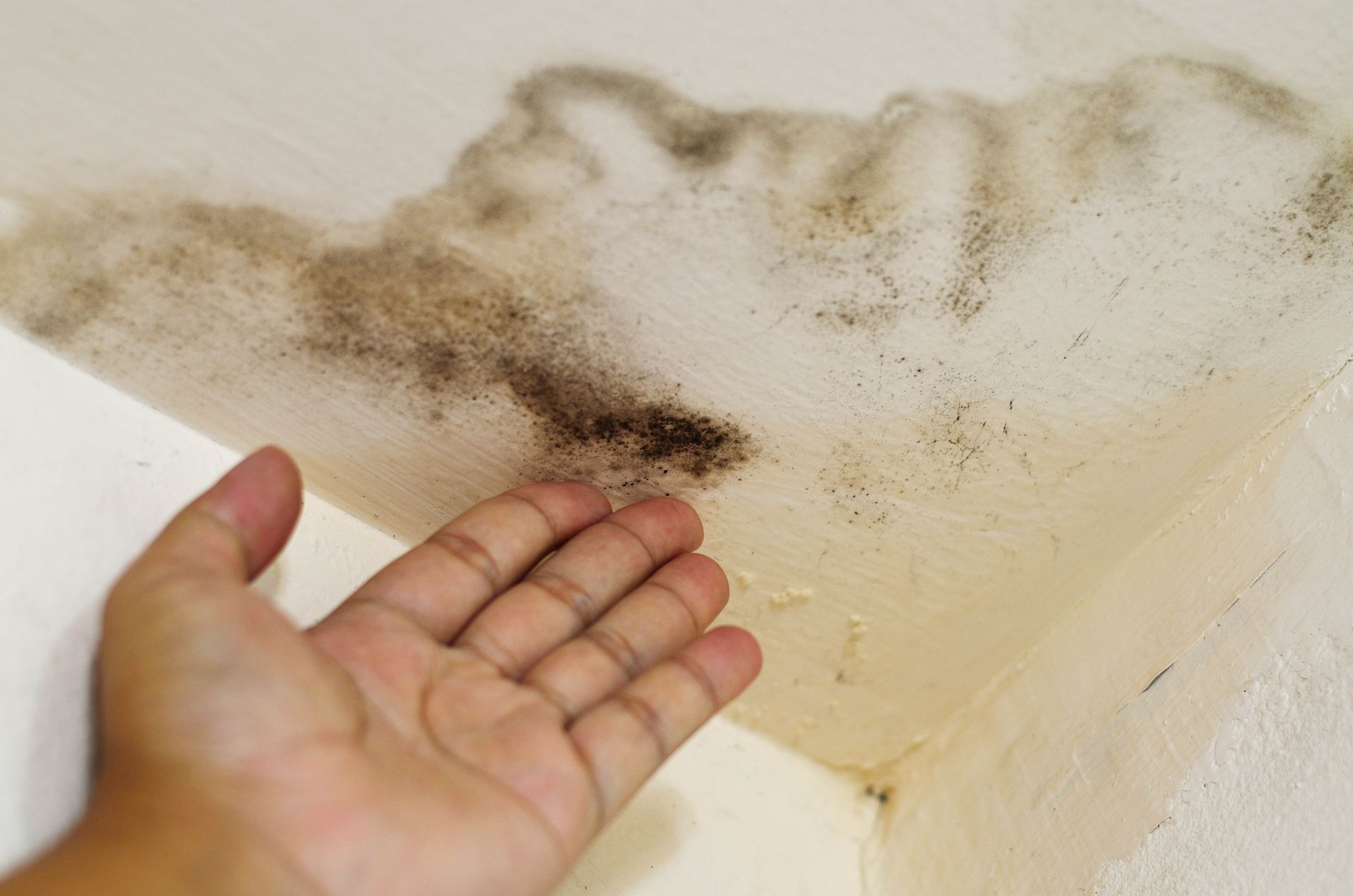
Timely structural investments also eliminate ongoing interior drywall fixes, mold remediation, and repeated emergency call-out fees. Presenting a clear timeline for return on investment allows property owners to make data-backed decisions that optimize capital allocation over the lifespan of the building.
Tax Benefits, Incentives, and Environmental Factors
Local building codes, environmental regulations, and energy standards play an increasing role in roofing choices. Modern energy codes often require specific insulation levels or reflective surfaces during full replacements. Property owners can frequently take advantage of federal tax credits, regional energy rebates, or municipal incentives when upgrading to qualified energy-efficient or cool-roof systems. Contractors serve as knowledgeable advisors, surfacing these tax advantages to offset upfront replacement costs and make sustainable roofing upgrades economically compelling.
Determining whether to repair or replace a roof is a strategic decision that balances immediate structural needs against long-term financial and performance goals. By thoroughly evaluating visual indicators, structural integrity, material age, and maintenance history, roofing contractors provide property owners with actionable, data-driven advice. While localized roof repairs offer a practical solution for minor damage and well-maintained roofs with significant remaining lifespan, a complete replacement becomes the wiser investment when cumulative maintenance costs climb, technological obsolescence sets in, or structural safety is compromised. To learn more, reach out to the experts at Allegiance Restoration LLC.